


.webp)
As health awareness expands across Saudi Arabia and the GCC region, modern diners expect transparency regarding what goes into their food. Incorporating accurate nutritional information for meal subscription plans is no longer just a nice-to-have feature it is a core business requirement. Providing clear nutritional information helps food providers cater to health-conscious consumers, increase repeat subscriptions, and position their brand as a trusted authority by using modern LYNNC restaurant solutions.
What Nutritional Information Should Meal Plans Include?
To deliver genuine value and meet standard nutritional guidelines, a comprehensive meal plan nutrition breakdown within any modern Meal Subscription System must cover the following core elements:
Calories
The overall energy content per serving. Clear caloric data is essential for customers managing daily energy intake, whether their goal is weight loss, maintenance, or muscle gain.
Protein, Carbohydrates, and Fat
Breaking down essential nutritional macros (macronutrients) gives subscribers control over their diet composition. Displaying protein, net carbs, and healthy fats helps users align their meals with specific nutritional targets.
Ingredients
A complete list of raw components and ingredients used in each meal. Clear ingredient lists help diners make informed lifestyle choices and evaluate the quality of the meal.
Allergens
Explicitly identifying common food allergens—such as nuts, dairy, gluten, soy, eggs, and shellfish—is critical for safety and health compliance.
Why Nutrition Facts Matter for Meal Subscription Customers
Today’s consumers treat food as part of their broader wellness strategy. Leveraging advanced restaurant technologies to display explicit nutrition facts directly benefits subscribers in several ways:
- Sustained Adherence: Subscribers can track their daily intake effortlessly without manually guessing portion sizes or macro ratios.
- Informed Choice: Clear labeling allows users to swap or select meals that match their daily calorie expenditure.
- Safety & Peace of Mind: Transparent allergen disclosures build confidence for individuals with dietary restrictions or food sensitivities.
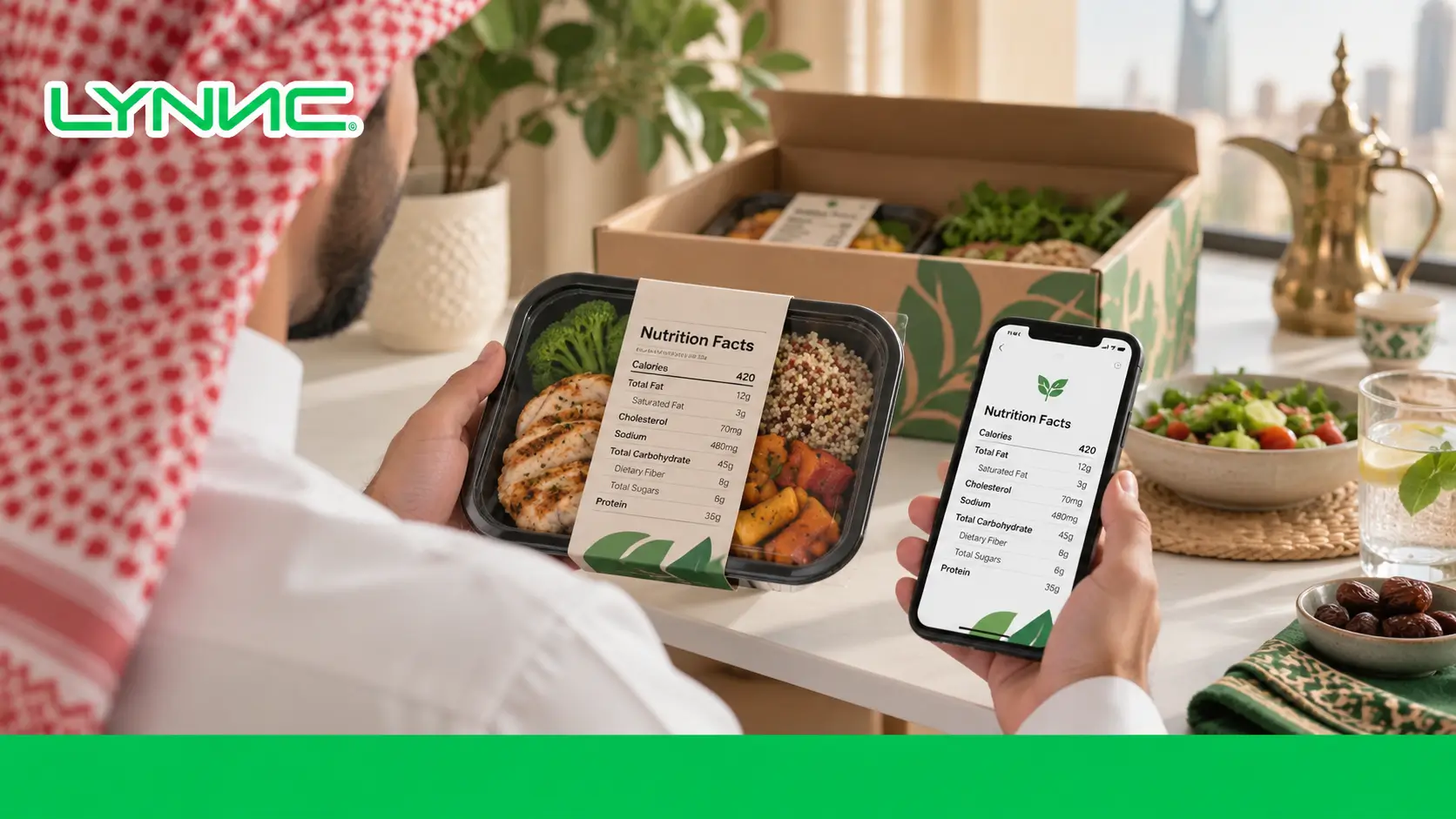
Nutritional Information vs Nutritional Marketing Claims
Vague marketing terminology often leads to customer frustration. Highlighting verified nutritional information over superficial claims creates long-term brand credibility.
| Metric / Aspect | Marketing Claims (e.g., "Healthy", "Fit Choice") | Verified Nutritional Information |
|---|---|---|
| Data Precision | Ambiguous, subjective, and non-quantifiable | Specific values (e.g., grams of protein, total calories) |
| Customer Reliance | Low; often triggers skepticism | High; enables precise meal tracking |
| Regulatory Compliance | Minimal oversight; easily misinterpreted | Aligns with official standards (e.g., SFDA labeling rules) |
| Impact on Retention | Short-term interest | Long-term customer loyalty and repeat orders |
How Accurate Nutrition Data Builds Customer Trust
In the competitive subscription market, trust is a primary driver of retention. Presenting lab-verified or system-calculated macro metrics accurately through a restaurant subscription operations reinforces customer confidence and directly improves customer lifetime value through the following key pillars:
- Eliminating Guesswork for Health Goals: Health-conscious subscribers track every calorie and macronutrient to reach specific fitness, weight loss, or medical targets. Delivering exact data ensures customers hit their daily nutrition goals without unexpected setbacks, directly attributing their progress to your brand.
- Demonstrating Professional Operational Standards: Transparent, precise nutritional labeling reflects strict quality control in the kitchen. When ingredients, portion sizes, and macros match reality across every delivery, it proves that your brand operates with professional integrity and respects the customer’s investment.
- Preventing Cancellation Triggers: Inaccurate calorie estimates or hidden ingredients inevitably cause subscribers to miss their health milestones. Once customers discover discrepancies between what was promised and what was delivered, trust erodes rapidly, leading to immediate plan cancellations, churn, and negative public reviews.
- Creating Long-Term Brand Equity: Beyond immediate sales, transparent nutrition data transforms a simple meal provider into a trusted partner in the subscriber's lifestyle journey. Highly transparent brands benefit from stronger organic word-of-mouth referrals and significantly higher long-term retention rates.
How to Present Nutritional Information in Digital Meal Plans
Presenting complex dietary data clearly without cluttering the user interface requires smart layout choices across digital touchpoints powered by restaurant technologies:
- Digital Menus & Apps: Display high-level summary badges (e.g., Calories and Protein) directly on meal cards, with expandable views for full macro breakdowns.
- Printed Package Labels: Affix clear thermal or printed labels on packaged containers showing total weight, expiry date, and core macro breakdown.
- Interactive Filtering: Allow users to filter meal plans on your web ordering platform by specific parameters (e.g., "Under 500 Calories" or "High Protein > 30g").
Nutrition Information for Different Customer Segments
Tailoring nutritional breakdowns to specific customer personas improves conversion rates and subscription length.
Weight Management
Subscribers focused on weight loss prioritize strict calorie caps, high fiber counts, and moderate portion sizes to maintain a caloric deficit comfortably.
Fitness
Athletes and gym-goers require precise tracking of nutritional macros, focusing heavily on high protein per meal to support muscle recovery and growth.
Keto and Low-Carb Plans
Low-carb and keto subscribers depend heavily on accurate net carb disclosures (Total Carbohydrates minus Dietary Fiber) to maintain ketosis effectively.
Common Nutrition Information Mistakes
Failing to present accurate dietary details can ruin customer trust, trigger legal non-compliance, and lead to high subscriber churn. Avoiding these four frequent operational pitfalls is essential for any meal delivery brand:
- Using Generic Portion Sizes Instead of Full Package Values:
Listing nutrition data based on an abstract "100g serving" forces subscribers to do manual math to calculate what they are actually consuming. If a delivered container holds 350 grams of food, all calorie and macro metrics should reflect the entire portion provided. Abstract measurements create friction and frustrate customers who rely on exact tracking. - Ignoring Hidden Ingredients in Calorie Calculations:
One of the most frequent errors in kitchen macro calculations is omitting secondary preparation components like cooking oils, butter, salad dressings, marinades, and pan glazes. A single tablespoon of oil adds roughly 120 calories; failing to factor these hidden ingredients into the total count leads to inaccurate labels that prevent subscribers from reaching their health goals. - Hiding Allergen Warnings in Fine Print:
Placing critical allergen disclosures (such as nuts, dairy, gluten, soy, or shellfish) in tiny, low-contrast fonts at the bottom of a packaging label poses severe health risks. Allergen disclosures must be clearly highlighted, bolded, or badged on both digital ordering platforms and physical container seals to prevent accidental exposure and ensure full safety compliance. - Displaying Inconsistent Data Across Channels:
Few things damage brand credibility faster than showing conflicting macro counts such as advertising 450 calories for a meal on your digital menu, but printing 580 calories on the physical label attached to the meal box. Operating with unsynchronized recipe databases causes customer skepticism, negative reviews, and immediate subscription cancellations.
.webp)
related guide: Subscription Management for Meal Plans: Changes, Pauses, and Cancellations
Frequently Asked Questions About Meal Plan Nutrition
How significantly does listing exact macros impact conversion rates for meal plans?
Listing exact nutritional macros (protein, carbs, fat, and calories) can increase conversion rates by up to 20% to 30% among health-conscious buyers. Transparency removes purchase hesitation for fitness enthusiasts and individuals on structured diets, making them far more likely to commit to long-term monthly subscriptions.
What regulations govern nutrition labeling for prepared meals in Saudi Arabia?
In Saudi Arabia, food providers and cloud kitchens must align with guidelines established by the Saudi Food & Drug Authority (SFDA), which mandate displaying total calorie counts and core nutrition details on menus and packaged food items to promote public health awareness.
How can a meal subscription platform automate macro calculations?
Modern platforms like LYNNC leverage integrated restaurant technologies and an automated Meal Subscription System to allow operators to input standardized recipes once. The system automatically calculates total calories, protein, carbs, and fats per serving and updates both digital ordering interfaces and physical packaging labels seamlessly.
How often should nutrition information be updated in a meal subscription system?
Nutritional information should be updated whenever a recipe changes, an ingredient supplier is swapped, or portion sizes are adjusted. Utilizing integrated restaurant technologies allows operators to update master recipes in one central system, automatically refreshing macro data across both digital ordering menus and printed package labels instantly.
Is it necessary to have nutritional information lab-tested, or are software calculations sufficient?
While third-party laboratory analysis provides the highest level of accuracy, using software-based recipe calculation tools that pull from verified database standards (such as the USDA FoodData Central or SFDA databases) is widely accepted for standard meal subscription operations. However, strict adherence to standardized kitchen prep and precise ingredient weighing is required to maintain accuracy.
How do clear nutrition facts improve customer retention in fitness-focused meal plans?
Fitness-focused subscribers rely heavily on strict macro tracking to hit training milestones. When a meal plan provides consistent, accurate macro breakdowns week after week, subscribers view the service as an essential tool for their lifestyle rather than just convenience food, drastically lowering churn rates and increasing long-term retention.

