


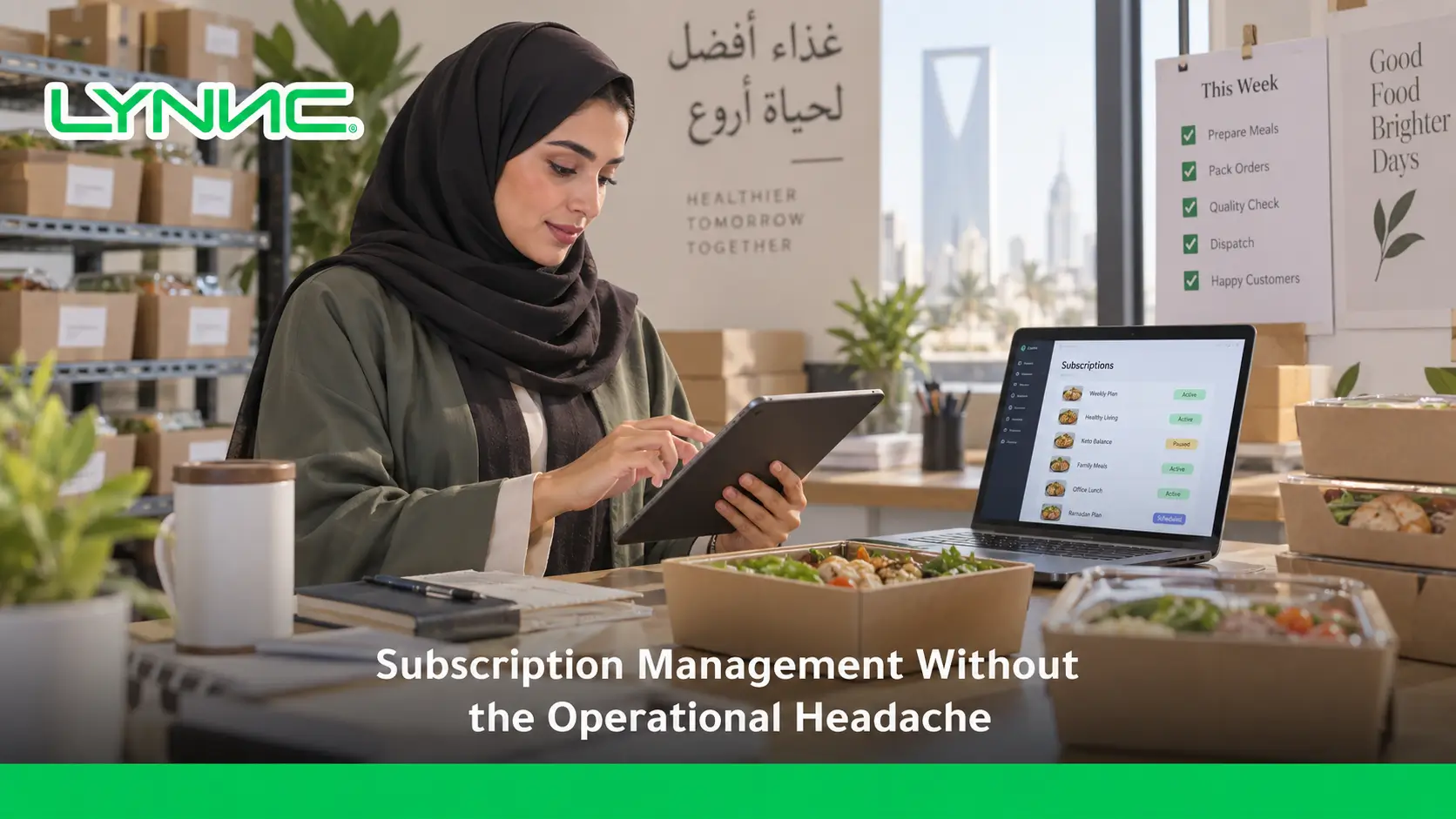
Managing a successful meal delivery service requires more than culinary excellence; it demands a seamless operational framework that gives customers full control over their recurring orders. Implementing effective subscription management for meal plans allows food businesses to handle modifications, temporary pauses, and churn risks smoothly while maintaining high operational efficiency and predictable revenue.
What Is Meal Subscription Management?
Meal subscription management is the complete administrative and technological system used to oversee recurring customer meal orders. Dedicated subscription management for meal plans encompasses everything from order modifications, delivery schedule adjustments, payment processing, and address changes to handling temporary holds and account cancellations. Modern subscription tools sync these adjustments automatically with kitchen production and logistics.
Why Subscription Flexibility Matters
Rigid subscription rules are one of the primary drivers of immediate subscriber loss. Today’s consumers expect fluid digital experiences where they can customize their plans on the go. Expanding your operational flexibility delivers key business benefits:
- Adapting to Evolving Customer Schedules: Subscribers rarely live on a static routine; unexpected business trips, vacations, or changing fitness goals regularly disrupt their schedules. When a platform accommodates these natural shifts with easy pausing or meal swapping, subscribers view the service as an adaptable lifestyle tool rather than a restrictive commitment.
- Delivering a Frictionless Customer Experience: Providing self-service management options empowers customers to make instant account changes whenever it suits them. Seamless subscription management for meal plans eliminates friction, boosts satisfaction, and transforms a casual dining option into a long-term, embedded daily habit.
- Significantly Lowering Operational Strain: Self-service web and mobile portals shift routine account modifications away from your staff. By enabling subscribers to update delivery addresses, change dietary choices, or pause plans independently, you eliminate thousands of manual support tickets, reduce administrative overhead, and prevent fulfillment errors in the kitchen.
Managing Meal Plan Changes
Allowing customers to modify their active plans without hassle is essential for long-term satisfaction. Modern systems make plan modifications straightforward:
- Dietary Adjustments: Effortlessly swap meals or change dietary preferences (e.g., shifting from Keto to High-Protein) before weekly cut-off deadlines.
- Portion Upgrades/Downgrades: Permit users to scale their meal count up or down as their household needs change.
- Delivery Location Updates: Enable flexible switching between home and office delivery addresses for specific days of the week.
How Subscription Pauses Should Work
A pause feature should act as a safety valve that protects customer relationships during temporary breaks. When implemented correctly, it transforms potential cancellations into temporary holds while protecting your kitchen operations:
- User-Friendly Self-Service Portals: Customers should be able to select precise start and end dates for their hold directly from their mobile app or web dashboard. The modern intersection of LYNNC for restaurant technologyempowers users to manage their accounts independently, removing friction and keeping them engaged within your digital ecosystem.
- Automated Cut-Off Deadlines: Enforce strict, automated cutoff rules (such as 24 to 48 hours prior to kitchen batch prep) to lock in hold requests. Automated rules prevent late cancellations from creating unexpected food waste, unused ingredients, or sudden financial losses for the kitchen.
- Transparent Resumption and Automated Billing: Clearly display and communicate when deliveries and recurring billing will resume both on-screen and via automated SMS/email reminders. Transparency eliminates surprise charges, prevents disputes, and ensures a seamless transition back to regular meal deliveries.
Subscription Cancellation vs Subscription Pause
Understanding the key differences between a pause and an outright cancellation highlights why offering flexible options protects recurring revenue.
How Flexible Subscription Management Reduces Churn
Offering an easy, friction-free pause feature directly protects your business against subscription cancellation. When customers hit a busy week or go on vacation without an option to pause, their only remaining choice is to cancel their plan entirely.
By prioritizing flexible subscription management for meal plans and an exceptional customer experience, you create a safety net that captures users who would otherwise cancel. This approach preserves your active customer base and maintains steady long-term growth.
Subscription Management KPIs
To evaluate the operational health of your meal subscription program, track these four key metrics:
Churn Rate
The percentage of total subscribers who cancel their plans within a given timeframe. Lowering churn is the fastest way to compound long-term growth.
Retention Rate
The percentage of customers who remain active subscribers over a specific period. High retention signals strong satisfaction and continuous value.
Reactivation Rate
The percentage of previously canceled or paused subscribers who return to active paying status through targeted win-back campaigns.
Customer Lifetime Value
The total net profit a business earns from a subscriber throughout their active tenure. Maximizing LTV offsets initial acquisition spend.
Best Practices for Subscription Management
Implementing operational best practices inside your recurring meal plans helps safeguard your recurring revenue while maintaining kitchen efficiency:
- Implement Clear Cut-Off Windows: Set automated deadlines within your Meal Subscription System for order changes, pauses, or menu swaps to protect kitchen purchasing and batch preparation schedules.
- Offer Pause Options During Cancellation Flow: Present an automated "Pause for 2 Weeks" or "Skip Next Delivery" alternative whenever a user initiates a cancellation request to reduce avoidable churn.
- Automate Billing Retries: Use smart dunning mechanisms and retry logic to handle failed credit card payments smoothly without immediately canceling active subscriber plans.
- Gather Exit Feedback: Always collect short, structured feedback during account cancellations to identify recurring product quality, menu, or delivery issues.

How LYNNC Helps Manage Meal Subscriptions
Managing complex subscription workflows alongside daily restaurant operations requires a platform built specifically for food businesses. LYNNC simplifies end-to-end subscription management for meal plans by offering:
- Automated Customer Self-Service: Provides end-users with an intuitive dashboard to swap meals, pause deliveries, or update payment details independently.
- Seamless POS & Kitchen Integration: Automatically updates kitchen batch sheets and POS systems when plans are modified, paused, or canceled.
- Smart Retention Workflows: Triggers automated pause suggestions during cancellation attempts to protect your subscriber base.
- Real-Time Analytics: Tracks critical metrics like churn rate, customer retention, and LTV in one centralized dashboard.
guide to monthly Meal Subscription: How Restaurants Build Recurring Revenue
Frequently Asked Questions about subscription management for meal plans
How can I offer plan pause options without losing subscriber lifetime value?
Offering flexible pause options preserves customer lifetime value by keeping the customer within your subscription ecosystem. Instead of triggering a complete subscription cancellation which requires expensive marketing campaigns to win the customer back a pause maintains an active account relationship with an automated restart date, protecting total long-term revenue.
What is the ideal cut-off time for subscribers to make plan changes or pauses?
The industry standard cut-off window is 24 to 48 hours prior to batch preparation. This gives subscribers reasonable flexibility while ensuring kitchen managers can lock in ingredient purchases and batch preparation schedules without incurring food waste.
How can restaurants handle involuntary churn caused by expired cards?
Involuntary churn can be minimized by implementing automated subscription management for meal plans through platforms like LYNNC. These tools send pre-expiration notifications, run automated credit card retry logic (dunning management), and prompt users with instant update links before their meal plan is interrupted.

