
Restaurant food cost is one of the clearest indicators of whether menu sales are generating sustainable returns. Rising ingredient prices, waste, delivery expenses, and outdated menu prices can gradually reduce the profit margin even while revenue continues to grow, making accurate food cost control and a responsive pricing strategy essential for protecting profitability.
LYNNC restaurant operations platform provides a unified environment for managing this workflow more consistently.
What Does Restaurant Food Cost Tell You About Profitability?
Restaurant food cost shows how much of food revenue is consumed by the ingredients required to produce menu items, helping restaurants determine whether higher sales are generating stronger returns or simply increasing revenue while costs rise; the clearest signals include:
- Ingredient Spending Reveals the True Cost of Sales: Current supplier prices show how much revenue is being consumed by ingredients instead of relying on outdated recipe estimates.
- Menu-Item Profitability Identifies Financially Strong Products: Two dishes with similar selling prices can generate very different returns because their recipe costs and contribution margins differ.
- Food Cost Percentage Makes Performance Comparable: Expressing food cost as a percentage of sales makes it easier to compare menu categories, branches, and reporting periods with different sales volumes.
- Contribution Margin Shows What Each Sale Adds: Food cost percentage measures the share of revenue consumed by ingredients, while contribution margin shows how much remains after the direct food cost is covered.
- Actual vs. Ideal Food Cost Exposes Cost Leakage: A difference between expected and actual food usage can reveal waste, over-portioning, inaccurate recipes, inventory issues, or unrecorded consumption.
- Menu Mix Influences Total Restaurant Food Cost: Overall food cost can increase when customers shift toward lower-margin or more expensive-to-produce items, even if supplier prices remain stable.
- Pricing Alignment Shows Whether Current Prices Remain Sustainable: When recipe or channel costs increase without a corresponding pricing review, high sales can continue while the contribution from every order declines.
How Do You Calculate Restaurant Food Cost Accurately?
Accurate restaurant food cost requires current supplier prices, standardized portions, reliable recipe yields, consistent inventory periods, and sales data from the same reporting window. Restaurants should calculate both the cost of individual menu items and their overall food cost as follows:
1. Calculate the True Ingredient Cost
Ingredient cost should reflect the quantity actually used in one standardized serving, not the purchase price of an entire package, case, or kilogram. Convert supplier prices into the recipe unit and include sauces, oils, seasonings, toppings, sides, and other components required to produce the finished dish.
2. Standardize Portion Size
Portion size determines how much ingredient cost is consumed every time an item is sold, so inconsistent serving quantities can increase actual cost even when purchasing prices remain unchanged. Recipe cards, scales, scoops, and portion-control tools help keep the calculated cost aligned with what the kitchen actually serves.
3. Measure Recipe Yield
Recipe yield represents the number of usable servings produced from a purchased ingredient or prepared batch after trimming, peeling, deboning, draining, cooking, or other preparation losses. Measuring usable yield is particularly important for proteins and fresh ingredients because purchase weight can significantly overstate the quantity available for sale.
4. Include Delivery Packaging and Secondary Costs
The recipe may stay the same across sales channels, but delivery orders can require containers, bags, seals, cutlery, napkins, and other packaging materials. These costs should be identified separately and included when assessing the true profitability of delivery orders.
5. Calculate Cost of Goods Sold
Cost of goods sold reflects the approximate value of inventory consumed during a defined reporting period and can be calculated using:
Cost of Goods Sold = Opening Inventory Value + Food Purchases During the Period − Closing Inventory Value
Inventory counts should follow a consistent process and cover the same period used for the restaurant's food-sales data.
6. Calculate Restaurant Food Cost Percentage
Once COGS is known, the restaurant can calculate its overall food cost percentage using:
Restaurant Food Cost Percentage = COGS ÷ Food Sales × 100
At menu-item level, restaurants can also divide the recipe cost of a dish by its selling price to understand how much of that price is consumed by food ingredients.
7. Calculate Contribution Margin Alongside Food Cost
Food cost percentage alone does not show how much money a dish contributes in absolute terms, so restaurants should also calculate:
Contribution Margin = Selling Price − Menu Item Food Cost
Using both measures gives a clearer picture of menu profitability than relying on one percentage alone.
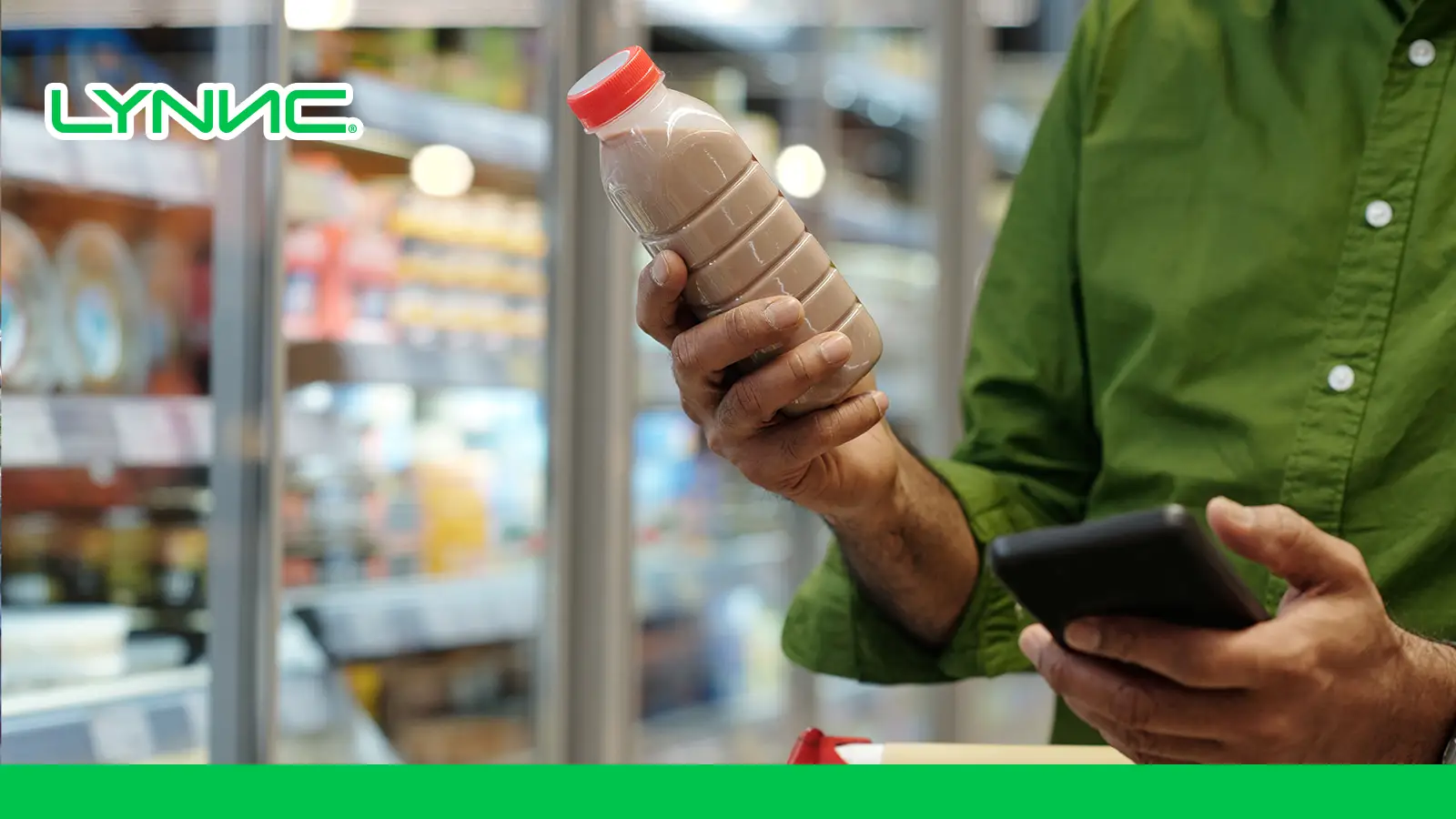
Restaurant Food Cost: How Dynamic Pricing Protects Margins
Why Is There No Single Ideal Food Cost Percentage for Every Restaurant?
There is no universal restaurant food cost percentage that automatically indicates strong profitability because the suitable target depends on the concept, menu, service model, operating costs, and customer value proposition; important factors include:
- Restaurant Concept Changes the Cost Structure: Quick-service restaurants, cafés, premium steakhouses, bakeries, and cloud kitchens operate with different ingredient economics and selling prices.
- Menu Composition Changes the Average: A beverage-led concept naturally produces a different food-cost profile from a menu built around seafood, premium proteins, or imported ingredients.
- Ingredient Quality Influences Both Cost and Price: Premium sourcing can increase restaurant food cost while still supporting a healthy profit margin if customers recognize the additional value.
- Service Models Add Different Expenses: Dine-in, pickup, direct online ordering, and third-party delivery each create different fulfillment and operating costs around the same menu item.
- Sales Channels Produce Different Margins: Delivery commissions, packaging, promotions, and channel-specific expenses can change the profitability of a dish even when its recipe remains identical.
- Location Affects Cost and Purchasing Power: Supplier prices, logistics, competition, operating expenses, and customers' willingness to pay can vary between branches and cities.
- Target Profit Margin Differs by Business: Restaurants with different labor, occupancy, technology, and financing costs require different food-cost targets to meet their financial objectives.
- Value Proposition Creates Different Pricing Flexibility: Brand reputation, convenience, quality, portion size, speed, and customer experience influence the price customers are willing to accept.
Where Does Restaurant Food Cost Start Eroding Profit Margin?
- Supplier Price Increases Create Immediate Pressure: New purchase costs affect the next order from the supplier, while menu prices may remain based on old ingredient economics.
- Outdated Recipe Costing Hides Real Profitability: Recipes using old prices or quantities can make an item appear profitable after its actual contribution has already declined.
- Portion Creep Raises Cost on Every Order: A small serving increase becomes financially significant when repeated across hundreds or thousands of high-volume dishes.
- Food Waste Creates Cost Without Revenue: Spoilage, overproduction, preparation mistakes, and returned food increase actual restaurant food cost without creating additional sales.
- Yield Loss Raises the Cost of Usable Ingredients: Trimming and preparation losses can make the real cost per usable portion considerably higher than the original purchase-price calculation.
- Discount Leakage Reduces Contribution Margin: Discounts reduce realized revenue while the ingredient quantity needed to produce the dish usually remains unchanged.
- Menu Mix Can Shift Toward Lower-Margin Products: Restaurant food cost may increase when customers begin ordering a greater share of expensive-to-produce or low-contribution dishes.
- Delivery Expenses Change Order Economics: Packaging, promotions, platform-related expenses, and additional fulfillment costs can reduce the return from the same recipe.
What Happens When Ingredient Costs Rise Before Menu Prices?
1. Cost Changes Reach the Restaurant Before Price Changes
When suppliers increase ingredient prices, the new cost appears immediately in purchasing, while menu prices may remain unchanged until the next scheduled review.
This delay creates a period in which the restaurant sells products using pricing assumptions that no longer reflect current costs.
2. Small Per-Order Differences Become Significant at Scale
If a dish sells for $20 and its ingredient cost rises from $6 to $7, contribution falls from $14 to $13 before other expenses.
A one-dollar reduction appears small on one transaction, but across 5,000 sales it represents $5,000 less contribution.
3. Bestsellers Can Create the Largest Margin Exposure
High-volume products can magnify small profitability problems because every cost variance is repeated across a large number of transactions.
Restaurants should therefore evaluate menu popularity together with contribution rather than assuming their highest-selling products are automatically their most profitable.
4. Promotions Can Widen the Margin Gap
Discounting a menu item whose base price is already outdated reduces realized revenue further while its recipe cost remains unchanged.
The item may continue generating strong sales figures while producing increasingly weaker financial returns.
5. Delivery Costs Add Another Profitability Layer
The same dish can produce a smaller contribution through third-party delivery when packaging, promotional participation, and channel expenses are added.
This makes channel-level profitability essential when evaluating whether the selling price still protects the intended margin.
How Does Dynamic Pricing Protect Restaurant Food Cost Margins?
Dynamic pricing can help restaurants react faster when changing costs, demand, sales-channel economics, or operational conditions make existing prices less effective, complementing food cost control rather than replacing it; using dynamic menu pricing can support controlled pricing decisions based on predefined business rules and current performance signals.
- Faster Response to Cost Changes: Significant movements in ingredient or product economics can trigger a pricing review before margin erosion continues for an extended period.
- Minimum Margin Protection: Pricing rules can prevent adjustments that would move a menu item below an approved contribution or price threshold.
- Demand-Based Pricing Decisions: Demand can become one input in the pricing strategy rather than forcing restaurants to maintain the same price under every market condition.
- Channel-Specific Pricing Logic: Dine-in, direct ordering, pickup, and third-party delivery can follow different pricing rules when their costs and margins differ materially.
- Seasonal Pricing Flexibility: Temporary changes in ingredient costs or customer demand can be managed without permanently changing base menu prices.
- Protection for High-Value Products: Signature dishes, high-margin items, traffic drivers, and seasonal products can follow different rules based on their role in the menu.
- Reduced Manual Pricing Delays: Automation can reduce dependence on spreadsheets, separate channel updates, and long approval cycles while keeping management-defined guardrails in place.
- Data-Based Price Decisions: Restaurant food cost, demand, sales volume, contribution margin, inventory, and channel performance can work together instead of being analyzed separately.
Which Cost Signals Should Trigger a Pricing Review?
- Ingredient Cost Variance: A meaningful increase in a major recipe component should trigger a review of menu items that depend heavily on that ingredient.
- Food Cost Percentage Movement: A sustained increase beyond the restaurant's target range can indicate that operations, purchasing, or pricing needs attention.
- Contribution Margin Decline: When the amount remaining after direct food cost falls below the approved level, management should determine whether the cause is operational or pricing-related.
- Actual-to-Ideal Food Cost Gap: A wide gap can signal waste, over-portioning, purchasing problems, inaccurate recipes, or inventory variance before it indicates a need for higher prices.
- Supplier Price Changes: Updated supplier rates can change the economics of multiple dishes simultaneously and should be reflected in current recipe costing.
- Menu Mix Movement: Growth in sales of lower-contribution dishes can reduce overall profitability even when individual recipe costs remain stable.
- Channel Cost Changes: Higher packaging expenses, promotional contributions, or delivery-related costs can make existing channel pricing less sustainable.
- Demand Changes: Consistent movements in customer demand can influence pricing flexibility when evaluated alongside margin and customer response.
- Inventory Conditions: Ingredient scarcity or excess inventory can create different pricing priorities for specific products.
Food Cost Control or Price Adjustment: Which Problem Are You Actually Solving?
Not every decline in profit margin requires a price increase; restaurants should first determine whether the problem comes from preventable cost leakage or from a selling price that no longer reflects the economics of the menu item.
1. Over-Portioning Requires Operational Control
If employees consistently serve more than the standardized recipe quantity, raising menu prices only hides the underlying problem. Standardizing portions, using measuring tools, retraining employees, and monitoring serving variance should come before a price adjustment.
2. Food Waste Requires Better Cost Control
Spoilage, overproduction, preparation mistakes, and poor storage increase restaurant food cost without delivering additional value to customers. Reducing avoidable waste can restore margin without asking customers to pay more.
3. Poor Purchasing Requires Procurement Improvement
Supplier selection, negotiated terms, pack sizes, purchasing frequency, and delivery expenses directly affect ingredient economics. Restaurants should correct procurement inefficiencies rather than automatically transferring avoidable costs into menu prices.
4. Recipe Inconsistency Requires Standardization
If employees prepare the same dish using different quantities, management does not have one reliable restaurant food cost on which to base a pricing decision. Standardized recipes, portions, and yields should therefore be established before reviewing prices.
5. Outdated Prices Require a Pricing Decision
If recipes are accurate, waste is controlled, portions are standardized, and contribution still falls below target, the selling price may no longer reflect the real economics of the dish. At this stage, a revised pricing strategy or dynamic pricing approach becomes more appropriate.
Why Can the Same Menu Item Produce Different Margins Across Sales Channels?
The recipe may remain identical, but the financial return from an order can change depending on how the customer buys it, making channel-level analysis essential for restaurants using multiple ordering methods and a Restaurant Order & Delivery App Management Platform.
1. Dine-In Orders
Dine-in economics include ingredient cost, selling price, promotions, service expenses, and wider restaurant operating costs. Because the transaction does not include the same delivery and packaging structure, its contribution can differ from an identical delivery order.
2. Direct Online Orders
An online ordering system for restaurants gives restaurants greater control over direct digital orders and their pricing structure, but management should still account for payment processing, packaging, promotions, technology, and fulfillment expenses when measuring actual contribution.
3. Third-Party Delivery Orders
Delivery-platform orders can introduce additional packaging, promotions, discounts, and other channel expenses without changing the recipe itself. Restaurants should therefore calculate profitability at order level before assuming one selling price works equally well across all channels.
4. Pickup Orders
Pickup may remove some delivery-related expenses but can still include packaging, online payment, and digital order-management costs. It should be evaluated independently when its economics differ materially from dine-in and delivery.
5. Multi-Branch and Cloud Kitchen Operations
Ingredient prices, demand, waste levels, local promotions, and sales mix can vary between locations even when the same standardized recipe is used. Centralized LYNNC solutions can support a more unified operational view while allowing management to identify differences between branches, channels, and brands.
What Pricing Guardrails Protect Profit Without Overpricing the Menu?
Dynamic pricing needs clear financial and customer-experience limits so price movements remain aligned with the restaurant's pricing strategy rather than becoming uncontrolled responses to short-term signals; useful guardrails include:
- Minimum Contribution Margin Protects Product Economics: Each product or category can have a minimum approved contribution that pricing actions should preserve.
- Price Floors Prevent Unprofitable Discounting: A defined minimum selling price reduces the risk of promotions or automated changes pushing products into weak or negative contribution.
- Price Ceilings Protect Customer Trust: Maximum limits prevent extreme increases that could move an item beyond its intended market positioning.
- Maximum Price-Movement Rules Reduce Volatility: Restaurants can restrict how far a price may move during a defined period instead of allowing sudden large changes.
- Channel-Specific Rules Reflect Different Cost Structures: Dine-in, pickup, direct ordering, and delivery can follow different pricing logic when their economics differ.
- Item-Level Exceptions Protect Strategic Products: Signature items, value products, advertised dishes, and important traffic drivers may require greater price stability.
- Approval Thresholds Maintain Management Control: Unusually large price changes can require human approval before being published.
- Customer-Response Monitoring Tests Sustainability: Order volume, conversion, repeat purchasing, complaints, and average order value should be reviewed after pricing changes.
Which Metrics Show Whether Pricing Is Actually Protecting Restaurant Margins?
A successful pricing strategy should improve financial performance without causing unacceptable declines in demand, order volume, or customer satisfaction, so restaurants should evaluate food-cost data alongside sales, menu, channel, and customer indicators such as:
- Restaurant Food Cost Percentage: Shows how much of food-sales revenue is consumed by the cost of ingredients.
- Food Cost per Menu Item: Identifies recipes most affected by supplier prices, portion changes, or yield losses.
- Contribution Margin per Item: Shows the amount remaining from each sale after direct menu-item food cost is covered.
- Actual vs. Ideal Food Cost: Helps distinguish operational cost leakage from genuine pricing problems.
- Menu Mix: Shows whether customers are purchasing high-contribution products or shifting toward less profitable items.
- Average Order Value: Measures how menu and pricing decisions affect the value of each transaction.
- Contribution by Sales Channel: Allows restaurants to compare dine-in, direct online, pickup, and delivery economics separately.
- Order Volume After Price Changes: Indicates whether improved margins are being achieved without an excessive reduction in demand.
- Conversion Rate: Shows whether digital customers continue completing purchases after prices are adjusted.
- Discount Impact: Measures realized selling price after promotions rather than relying only on listed menu prices.
- Branch-Level Margin: Helps multi-location businesses identify local profitability problems that company-wide averages may hide.
How Can LYNNC Connect Food Cost Signals With Pricing Decisions?
Connecting pricing with real sales and operational data can reduce the delay between identifying a margin problem and taking a controlled action, allowing restaurants to monitor product performance, demand, orders, and pricing through a more centralized decision-making process.
1. Centralize Pricing and Order Visibility
A centralized operational view reduces the need to reconcile separate spreadsheets, delivery-platform dashboards, and disconnected sales reports before understanding menu performance. Management can identify products, channels, or branches that require attention before small cost variances become larger profitability problems.
2. Reduce Manual Pricing Delays
Manual pricing reviews can allow hundreds of transactions to occur before a cost change is reflected in selling prices. Connected systems can shorten that process while keeping predefined pricing limits and management oversight in place.
3. Measure Results After Every Adjustment
Price changes should be evaluated using order volume, contribution margin, average order value, and product performance rather than treated as permanent decisions. Comparing results before and after each adjustment helps determine whether the new price is protecting profitability without creating unnecessary demand loss.
Protect Restaurant Margins Before Food Costs Become a Monthly Surprise
Restaurant food cost should be monitored continuously rather than discovered only when month-end reports reveal declining profitability, because accurate recipe costing, stronger food cost control, channel-level analysis, and dynamic pricing can work together to protect the profit margin while helping restaurants identify whether a problem requires operational correction or a pricing adjustment.
learn more about pricing Analytics: How Real-Time Reports Improve Restaurant Decisions
FAQs About Restaurant Food Cost and Dynamic Pricing
1. What Is Restaurant Food Cost?
Restaurant food cost is the value of ingredients consumed to produce food sales during a defined period, while menu-item food cost represents the direct ingredient cost required to produce one standardized dish.
2. How Do You Calculate Restaurant Food Cost Percentage?
Restaurant food cost percentage is calculated by dividing cost of goods sold by food sales and multiplying by 100:
Food Cost Percentage = COGS ÷ Food Sales × 100
3. What Is the Difference Between Food Cost and Profit Margin?
Food cost measures how much food-sales revenue is consumed by ingredients, while profit margin reflects a broader range of revenue and expenses, including labor, occupancy, technology, promotions, delivery, and other operating costs.
4. Is There an Ideal Restaurant Food Cost Percentage?
There is no single percentage that works for every restaurant because the appropriate target depends on concept, menu mix, ingredient quality, selling prices, operating model, and financial objectives.
5. Can Dynamic Pricing Help When Ingredient Costs Increase?
Yes. Dynamic pricing can support faster pricing responses when genuine ingredient-cost changes make existing prices less sustainable, although restaurants should first rule out avoidable waste, portioning errors, and purchasing inefficiencies.
6. Should Every Menu Item Have the Same Food Cost Target?
No. Menu items differ in ingredient structure, selling price, popularity, contribution margin, and strategic role, so food cost percentage should be evaluated alongside sales volume and contribution rather than applying one target to every dish.
7. Can the Same Dish Have Different Profitability Across Delivery Channels?
Yes. Recipe cost may remain unchanged while packaging, promotions, discounts, fulfillment expenses, and channel-related costs alter the financial return from each order.