.webp)
Surge Pricing for Restaurants: Raise Peak-Hour Prices Without Losing Customers
Surge pricing helps restaurants increase revenue during peak demand without sacrificing customer retention. When supported by dynamic pricing technology, restaurants can apply controlled price adjustments, offset higher delivery costs, and reduce kitchen overload while maintaining service quality.
LYNNC restaurant solutions provides a unified environment for managing this workflow more consistently.
With platforms such as LYNNC, this pricing strategy can be automated based on demand and operational capacity, helping restaurants balance profitability, faster order fulfillment, and a strong customer experience.
What Is Surge Pricing?
Surge pricing is a pricing strategy that temporarily increases menu prices or delivery charges during periods of unusually high demand, such as weekends, major events, holidays, or busy dining hours in cities like Riyadh, Jeddah, and Dammam.
Its purpose goes beyond increasing revenue. Surge pricing can help control incoming order volume when kitchen capacity is under pressure.
Usingreal-time pricing management, the system can monitor restaurant activity, apply controlled price adjustments when demand rises, and return prices to normal once the peak period ends.
How Can Restaurants Raise Prices Without Losing Customers?
Sudden or excessive price increases can damage customer trust. A successful surge pricing strategy should therefore protect customer retention while ensuring customers still recognize a clear value proposition.
- Keep increases moderate: Use small price adjustments rather than aggressive increases that may push customers toward competitors.
- Strengthen the value proposition: Customers are more likely to accept higher prices when orders arrive quickly, accurately, and at the expected quality.
- Adjust delivery-channel pricing: Instead of increasing dine-in prices, restaurants can apply different pricing rules to third-party delivery channels using a Delivery Orders Management System For Restaurants & Retail.
- Use meal bundles: Create bundles or combo meals that increase average order value without making individual item increases too noticeable.
- Communicate expected delays: Accurate preparation and delivery estimates help customers understand unusually busy periods.
- Protect food quality: Higher prices will not compensate for late, cold, or incorrect orders.
- Monitor customer response: Track order completion, cancellations, ratings, and repeat purchases after every pricing adjustment.
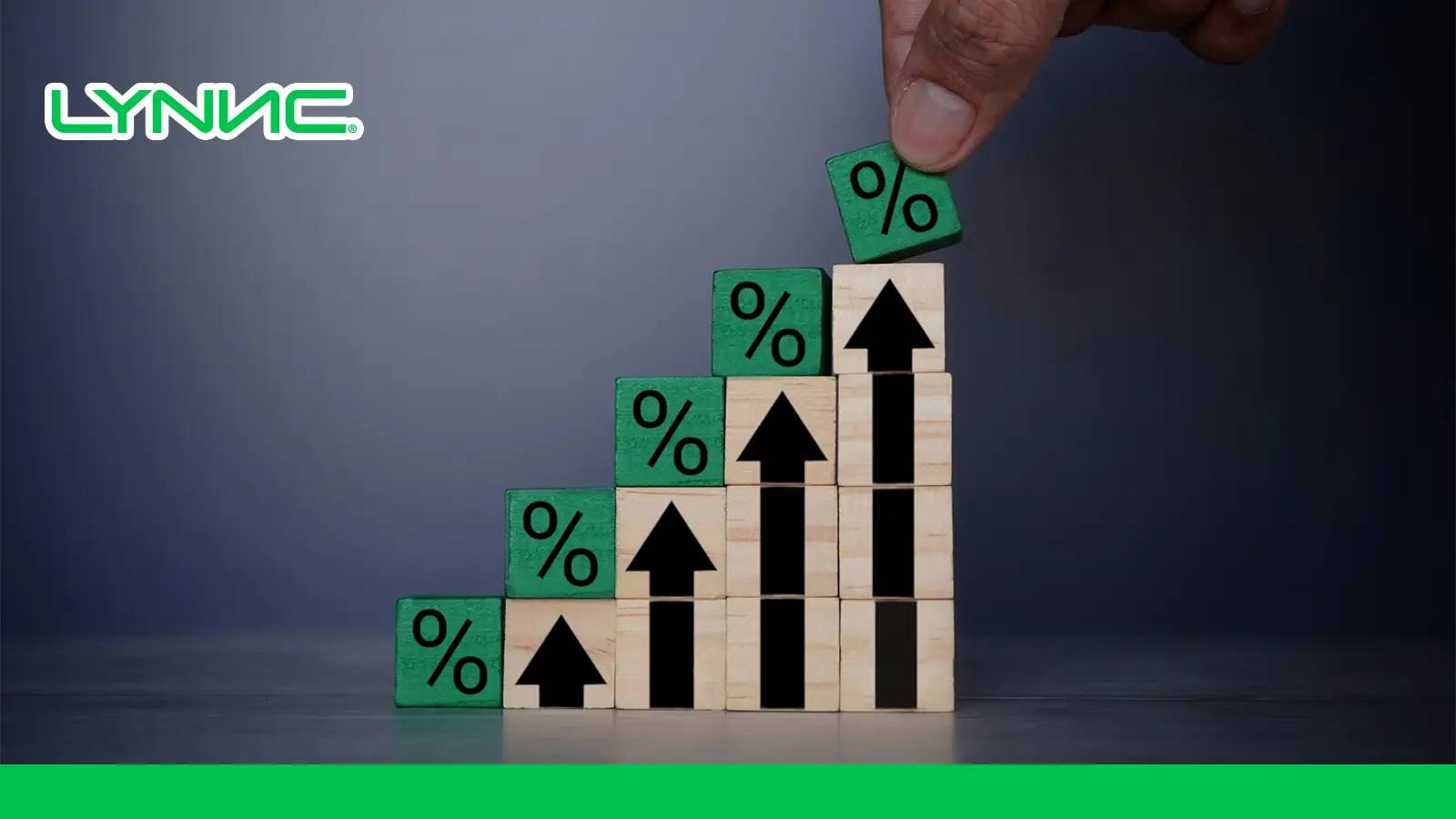
What Is the Difference Between Surge Pricing and Dynamic Pricing?
Yes, there is a difference. Surge pricing is a specific form of dynamic pricing focused mainly on temporary periods of high demand, while dynamic pricing can adjust prices based on a wider range of variables.
The key differences include:
- Application: Dynamic pricing can operate throughout the day, while surge pricing focuses mainly on peak-demand periods.
- Pricing triggers: Dynamic pricing may consider demand, timing, inventory, competition, and other factors; surge pricing is primarily triggered by demand and operational pressure.
- Duration: Surge prices are usually temporary, while dynamic prices may change continuously.
- Operational goal: Surge pricing can reduce excessive order flow when restaurant capacity is limited.
- Price direction: Surge pricing generally increases prices; dynamic pricing may increase or decrease them.
- Target periods: Surge pricing may apply to specific hours, meal periods, weekends, or events.
- Decision process: Surge rules may follow predefined thresholds, while broader dynamic pricing systems can evaluate multiple signals simultaneously.
What Factors Determine the Right Time to Increase Surge Prices?
The right time to activate surge pricing depends on more than the clock. Restaurants should consider demand, kitchen capacity, profitability, available resources, and customer behavior before changing prices.
Key factors include:
- Incoming order volume: A rapid rise in orders may indicate the start of operational pressure.
- Kitchen capacity: Compare current demand with the maximum volume the kitchen can handle without affecting quality.
- Preparation time: Increasing preparation times can signal that operational capacity is approaching its limit.
- Time and day: Analyze historical demand by hour, meal period, weekday, and weekend.
- Price sensitivity: Understand how quickly customers change their purchasing behavior when prices increase.
- Menu profitability: Higher-margin items may respond differently to price adjustments than low-margin products.
- Sales channel: Direct orders and third-party delivery platforms may carry different costs and margins.
- Available resources: Staffing levels, inventory, and production capacity affect how much demand the restaurant can handle.
- Seasonality and events: Holidays, weekends, sports events, and local occasions can create predictable demand spikes.
How to Implement a Surge Pricing Strategy
A successful surge pricing strategy starts with data, clear pricing rules, and measurable operational limits.
- Establish performance benchmarks: Record normal order volume, sales, preparation time, cancellations, and profitability.
- Identify recurring peak periods: Analyze demand by hour, day, and meal period.
- Define kitchen capacity: Determine when open orders or preparation times begin exceeding normal limits.
- Choose where pricing applies: Test the strategy on selected times, products, or sales channels rather than changing the entire menu.
- Set pricing limits: Define acceptable minimum and maximum adjustments.
- Start with a controlled test: Apply surge pricing to a limited period before expanding it.
- Monitor customer response: Track order volume, conversion, cancellations, and repeat purchases.
- Measure profitability: Evaluate margin per order and average order value, not revenue alone.
- Measure operational impact: Compare preparation time, late orders, and cancellations before and after implementation.
- Return to standard pricing: Prices should return to normal when demand and kitchen capacity stabilize.
What Data Does a Smart Surge Pricing System Need?
A smart surge pricing system needs reliable demand, operational, financial, and customer data to determine whether a price change is justified.
1. Demand and Sales Data
Demand data helps identify when normal traffic becomes a genuine peak period.
- Order volume: Number of incoming orders during each period.
- Demand growth: How quickly order volume is increasing.
- Order timing: Hour, day, and meal period.
- Sales channel: Where each order originates.
- Popular products: Items receiving the highest demand.
- Average order value: Changes in basket value during different periods.
- Historical demand: Comparison with similar days, weeks, and seasons.
2. Kitchen Capacity Data
Demand alone is not enough. The system also needs to understand how many orders the kitchen can fulfill effectively.
- Open orders: Orders still waiting for completion.
- Average preparation time: Actual time required to prepare orders.
- Order queue: Number of orders waiting at different preparation stages.
- Production capacity: Maximum order volume the team can handle within a set period.
- Staff availability: Number of available kitchen and operations employees.
- Station performance: Identification of preparation bottlenecks.
- Item preparation time: Different menu items require different levels of kitchen capacity.
3. Cost and Profitability Data
Financial data ensures higher sales do not come at the expense of profitability.
- Item cost: Actual cost of producing each menu item.
- Contribution margin: Revenue remaining after variable costs.
- Packaging cost: Particularly relevant to delivery orders.
- Discount cost: Impact of promotions and vouchers.
- Channel cost: Costs associated with different sales channels.
- Profit per order: The actual financial return from each order.
- Product profitability: Comparison between high-volume and high-margin items.
4. Customer Price-Response Data
Restaurants also need to understand how customers react when prices change.
- Conversion rate: Percentage of customers who complete an order.
- Cart abandonment: Orders started but not completed.
- Order volume: Changes before and after a price adjustment.
- Average basket value: Whether customers buy fewer items after prices rise.
- Cancellation rate: Unexpected increases may indicate pricing or service issues.
- Repeat purchases: Impact on existing customer retention.
- Ratings and complaints: Changes in customer perception after price adjustments.
When Is Surge Pricing Not the Right Strategy?
Surge pricing should not be treated as the automatic solution to every demand or operational problem. Sometimes improving kitchen operations, staffing, or capacity is more effective than increasing prices.
Consider avoiding or delaying surge pricing in these situations:
- Demand is not actually high: Increasing prices during normal demand may reduce sales without solving any operational issue.
- The kitchen is the real problem: Fix inefficient workflows or production bottlenecks before using pricing to control demand.
- Customers are highly price-sensitive: Easy access to similar competitors can make price increases risky.
- There is insufficient data: Reliable demand, cost, capacity, and customer data are needed for informed decisions.
- The increase is too large: Sharp price changes may negatively affect perceived fairness and value.
- Price differences are difficult to explain: Customers are more likely to resist changes they consider arbitrary.
- Pricing relies unnecessarily on personal customer data: Operational surge pricing should focus on demand and capacity rather than individualized pricing.
- No pricing limits exist: Automated pricing should operate within predefined boundaries.
- Results cannot be measured: Without before-and-after performance data, restaurants cannot determine whether the strategy works.
How a Unified System Improves Pricing Management
LYNNC is more than an order-receiving platform. Its unified operating environment helps restaurants manage pricing, delivery orders, and peak-hour operations from one place.
Real-Time Analysis and Decision-Making
The Problem
- Sudden order surges can exceed kitchen capacity.
- Teams may struggle to identify when preparation times require intervention.
- Operational pressure increases the risk of mistakes, late orders, and negative reviews.
How the System Helps
- The pricing engine monitors incoming orders and preparation performance in real time.
- It can apply controlled adjustments to balance demand with kitchen capacity.
- Better order flow reduces operational pressure and helps teams maintain accuracy.
Fast, Centralized Integration
The Problem
- Updating prices separately across delivery apps requires time and manual effort.
- Delayed updates may create pricing inconsistencies between channels.
- Cashiers and operators may need to manage multiple devices simultaneously.
How the System Helps
With Foodics integration, restaurants can manage pricing updates centrally instead of changing each connected platform manually.
- Prices can be synchronized across connected channels.
- Centralized updates reduce pricing discrepancies.
- One operational interface reduces the complexity of managing multiple delivery devices.
Cloud-Based Multi-Brand Operations
The Problem
- Central kitchens may manage several restaurant brands with different demand levels.
- Applying the same pricing rules to every brand limits flexibility.
- Separate financial performance can be difficult to analyze during peak demand.
How the System Helps
For cloud kitchen & brands management, centralized technology can help operators manage each brand separately.
- Each brand can have its own dynamic pricing rules.
- Pricing can reflect the demand level of each concept.
- Separate sales and forecasting reports support better future pricing decisions.
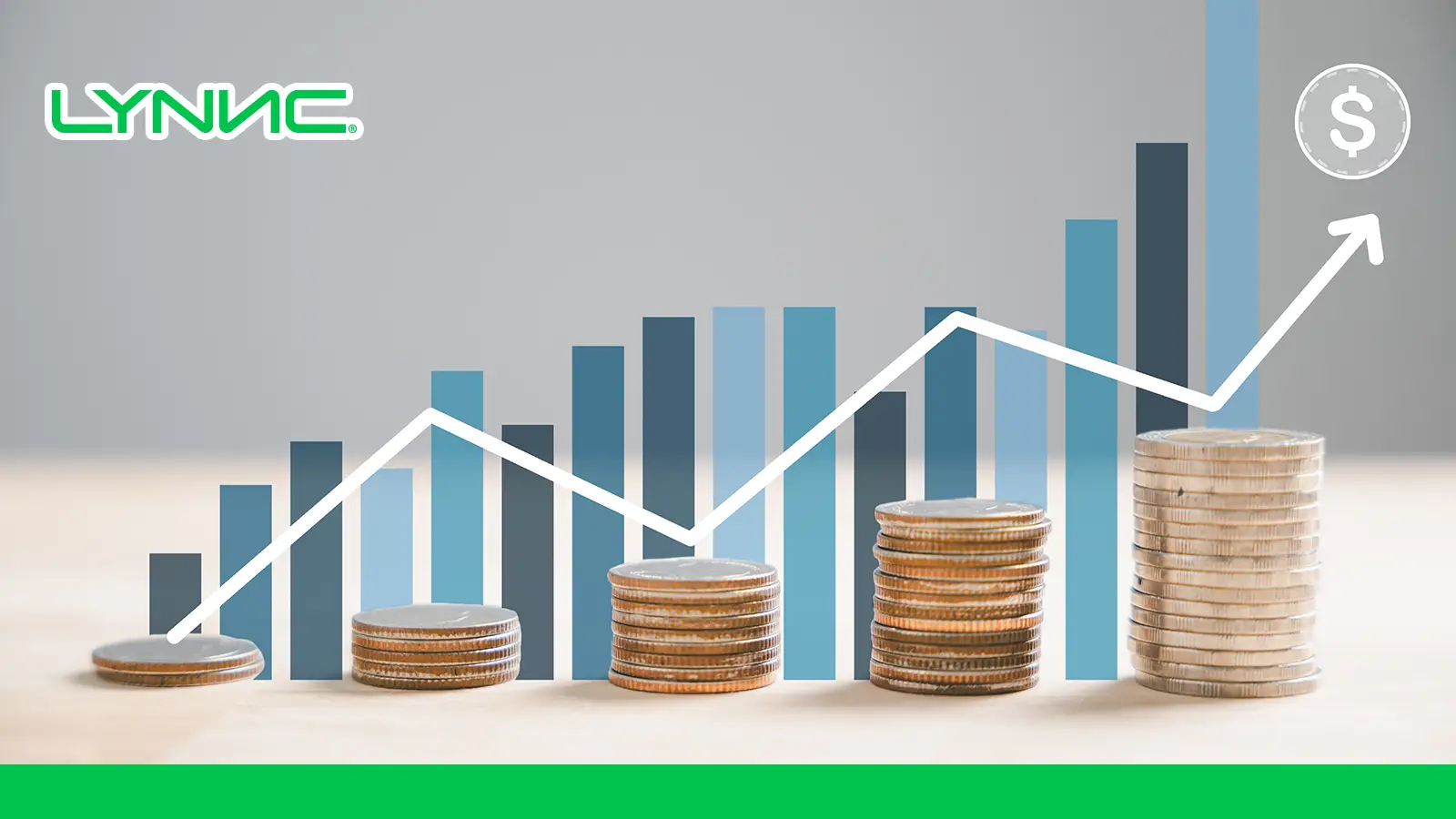
How Do You Measure the Success of Surge Pricing?
The success of surge pricing should appear in both financial and operational performance. Restaurants should evaluate whether the strategy improves profitability while maintaining a healthy order flow and customer experience.
1. Stable Order Flow
- Orders should continue at a manageable level rather than falling sharply.
- Pricing adjustments should help prevent sudden order overload.
2. Higher Daily Profitability
- Revenue and margins should improve after peak periods.
- A slight reduction in order volume may still produce stronger profit per order.
3. Smoother Kitchen Operations
- Kitchen teams should experience fewer extreme order spikes.
- More balanced demand allows staff to maintain food quality and preparation accuracy.
4. Fewer Errors and Customer Complaints
- Refunds caused by missing, incorrect, or delayed orders should decrease.
- Better operational control can support stronger ratings and customer retention.
Fixed Pricing vs. Surge Pricing
Comparison
Fixed Pricing
Surge Pricing
Peak demand
Prices remain unchanged despite kitchen pressure.
Prices adjust temporarily to help balance demand.
Profit margins
Higher delivery costs may reduce margins.
Adjustments can help protect margins during peak demand.
Customer experience
Overloaded kitchens may increase delays.
Better demand control can support faster fulfillment.
Price updates
Usually requires manual intervention.
Can be automated using real-time data and forecasts.
Turn Peak Demand Into Higher Profitability
Peak hours should not become an operational crisis that overwhelms your team and reduces margins.
With LYNNC, restaurants can use smart operational tools, sales forecasting, and automated pricing capabilities to manage busy periods more efficiently while maintaining service quality.
Instead of keeping prices fixed while demand changes, use data-driven pricing to turn high-demand periods into stronger revenue opportunities. Contact LYNNC and request a demo to explore how smarter pricing can support your restaurant operations.
guide to pricing KPIs to Track After Adopting Smart Pricing
FAQs About Surge Pricing
Can Surge Pricing Be Applied to Only One Delivery Platform?
Yes. Advanced restaurant management systems can apply surge pricing to a selected delivery platform, such as Jahez or HungerStation, or across multiple connected channels from one interface.
When Do Prices Return to Normal After Peak Hours?
An automated pricing engine can restore standard prices once order volume falls and operational activity returns to the defined normal range.
How Can the System Prevent Orders From Exceeding Kitchen Capacity?
Sales forecasting can help predict expected demand so restaurants can prepare staffing and inventory in advance. When demand exceeds defined capacity levels, pricing adjustments can also help moderate incoming order volume.