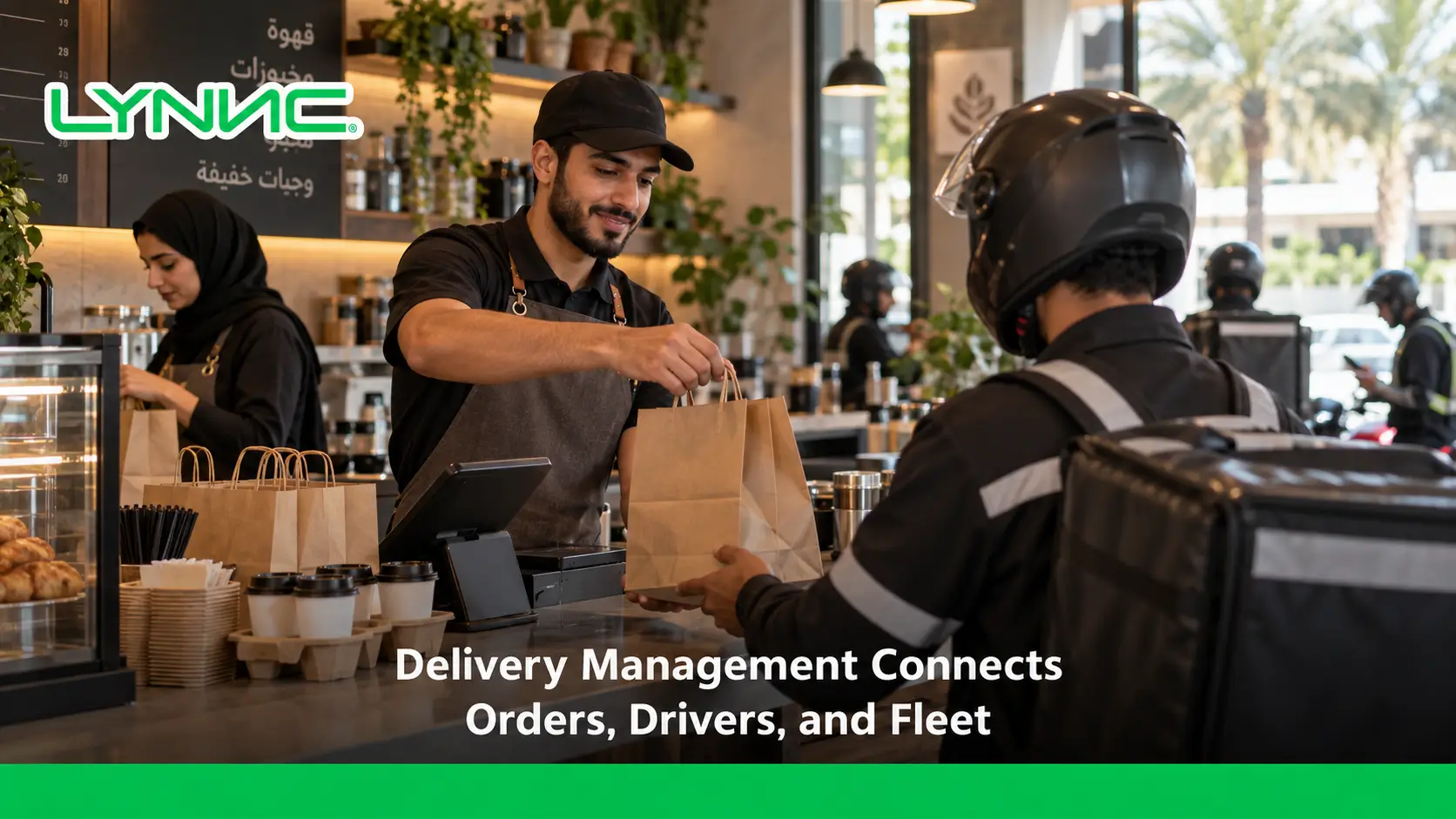
Delivery management for restaurant fleets connects incoming orders with driver assignment, dispatch, routing, tracking, and delivery performance in one operating flow. When these steps share the same data, restaurants can reduce manual handoffs, prevent delays, improve route efficiency, and respond faster when conditions change. Restaurants deciding who should handle last-mile fulfilment can compare third party delivery vs in-house delivery before designing the fleet workflow.
restaurant fleet management helps restaurants manage this workflow through a more connected, centralized process.
Effective delivery management also gives teams control over delivery time, cost per order, late deliveries, driver utilization, and the customer experience from kitchen handoff to drop-off.
What Is Delivery Management for Restaurant Fleets?
Delivery management for restaurant fleets means coordinating restaurant orders, available drivers, routes, vehicle movement, and delivery status within one operational process from order readiness to customer handoff.
1. Order Coordination
Order information must reach the delivery operation with enough context for accurate dispatch.
- Order Details: Delivery address, order status, branch, and readiness information guide the next operational step.
- Delivery Readiness: Drivers should receive orders when kitchen timing and dispatch timing are aligned.
- Status Continuity: Order status should remain visible as the delivery moves from preparation to dispatch and completion.
2. Fleet Coordination
Fleet management determines which delivery resources are available to execute each order.
- Driver Availability: Dispatch depends on which drivers are active and able to take another order.
- Vehicle Capacity: Teams need visibility into available delivery capacity before assigning work.
- Location Context: Current driver or vehicle position can improve assignment decisions.
3. Delivery Execution
The final stage manages how the assigned order reaches the customer.
- Route Selection: The driver needs an efficient path from pickup to the delivery location.
- Progress Tracking: Delivery management for restaurant fleets gives operations teams visibility into active deliveries.
- Exception Handling: Delays, route changes, or failed deliveries need a clear process for intervention.
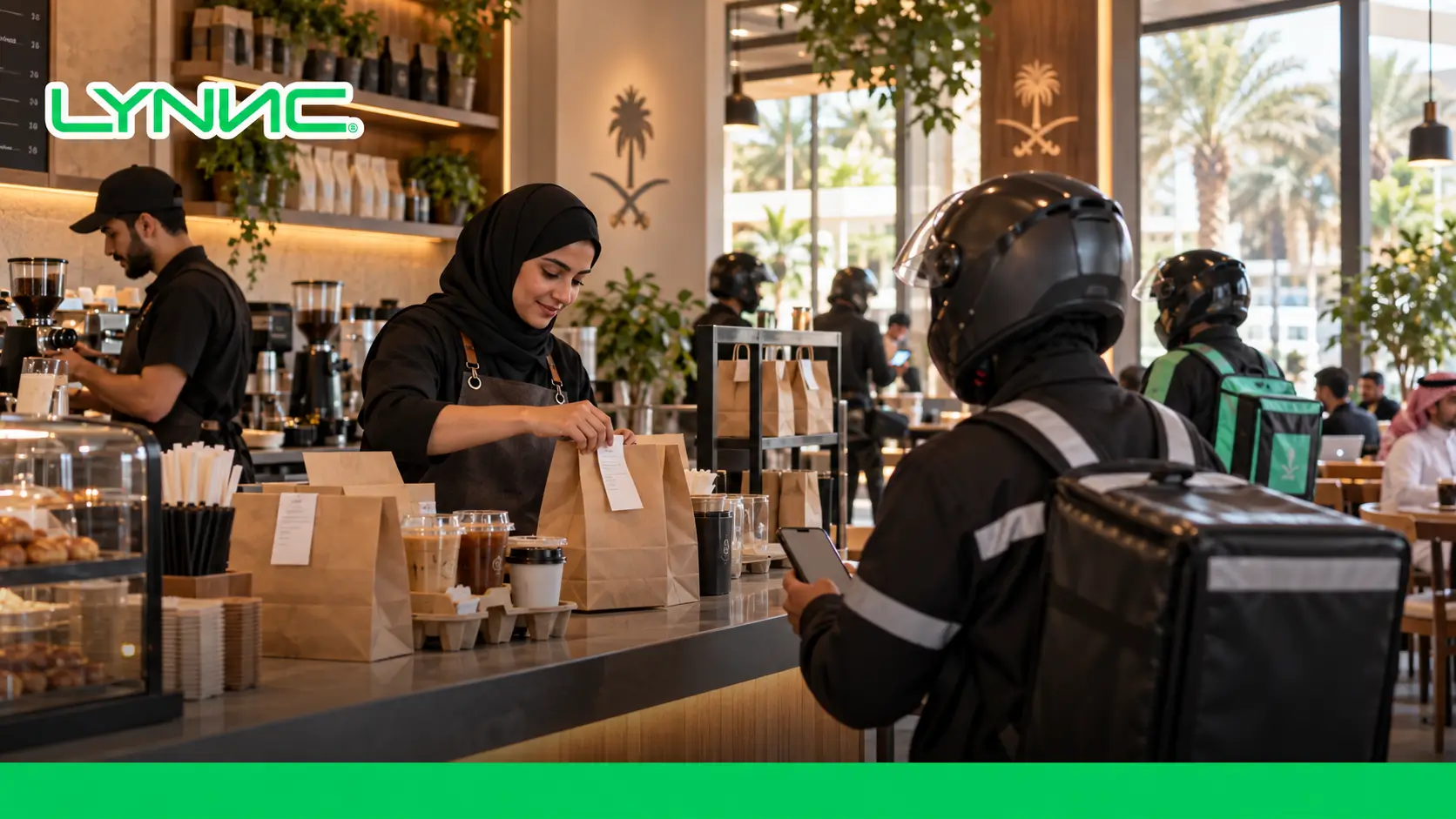
How Order and Fleet Management Work Together
An order management system controls what needs to be fulfilled, while fleet management controls who will deliver it and how. Connecting both reduces the information gaps created when order and dispatch teams work separately.
The connection works across three stages:
1. Share Order Context With Dispatch
Fleet decisions become more accurate when dispatch receives operational order data rather than only an address.
- Order Status: Delivery management for restaurant fleets can prevent premature dispatch when the kitchen has not completed an order.
- Pickup Location: Multi-branch restaurants need the correct branch attached to each delivery.
- Customer Destination: Accurate destination data provides the foundation for assignment and routing.
- Connected Systems: LYNNCcan reduce repeated data entry when ordering and delivery workflows exchange the same information.
2. Match Orders With Delivery Capacity
Once an order is ready, the fleet side determines the most appropriate available resource. That dependency starts with multi branch restaurant order management that preserves the right location throughout fulfilment.
- Driver Location: Nearby drivers may reduce unnecessary travel to the pickup point.
- Current Workload: A driver already carrying several orders may not be the best option for another urgent delivery.
- Delivery Zone: Assignment rules can help keep drivers within practical operating areas.
- Availability: Only drivers who are active and able to accept work should enter the assignment pool.
3. Return Delivery Status to the Order Flow
The information exchange should continue after dispatch.
- Dispatched: Restaurant teams know the order has entered the delivery stage.
- In Transit: Delivery progress becomes part of the wider order record.
- Completed: Successful handoff closes the operational workflow.
- Failed or Delayed: Exception status allows support and operations teams to respond with the same context.
Order Assignment and Automatic Dispatch
Automatic dispatch uses order requirements and available fleet resources to reduce the manual work involved in deciding which driver should handle each delivery.
The process generally depends on three decision layers:
1. Identify Eligible Drivers
The system first determines which drivers can reasonably accept the order.
- Availability: Delivery management for restaurant fleets should exclude drivers who are offline, unavailable, or already overloaded.
- Location: Current position can help identify drivers closer to the pickup point.
- Active Deliveries: Existing assignments affect whether another order can be added efficiently.
- Operating Rules: Delivery zones, shifts, or vehicle requirements can narrow the eligible pool.
2. Select the Best Assignment
The nearest driver is not always the best driver.
- Travel Time: The assignment should consider how quickly a driver can reach the restaurant and customer.
- Route Fit: A new delivery may fit naturally into an existing route.
- Workload Balance: Orders should not concentrate unnecessarily on a few drivers.
- Delivery Priority: Time-sensitive orders may require different assignment logic from standard deliveries.
Google Maps Platform's Route Optimization API can assign tasks and routes across vehicles while considering objectives such as travel efficiency, on-time arrival, vehicle cost, and load balancing.
3. Reassign When Conditions Change
Automatic assignment becomes more valuable when dispatch can react after the first decision.
- Driver Unavailability: Another driver may need to take over if the original assignment cannot continue.
- Order Changes: Cancellation or preparation delays can alter the best delivery sequence.
- Traffic Conditions: Congestion may make another route or assignment more efficient.
- New Demand: Incoming orders can change how available capacity should be distributed.
Route Optimization and Delivery Delay Prevention
Route optimization determines how drivers should complete stops using factors such as distance, travel time, traffic, delivery constraints, and available fleet capacity. It supports faster delivery by reducing avoidable travel rather than simply encouraging drivers to drive faster.
The main benefits appear in three areas:
1. Improve Stop Sequencing
Multi-order delivery becomes inefficient when stops are handled only in the order they arrive.
- Efficient Sequence: Delivery management for restaurant fleets can arrange stops around travel efficiency rather than manual guesswork.
- Reduced Backtracking: Better sequencing limits unnecessary movement between delivery zones.
- Multiple Deliveries: Several orders can be evaluated together instead of routing each one independently.
- Driver Productivity: Less unnecessary travel leaves more working time available for completed deliveries.
Google Maps Platform supports route planning for one or multiple vehicles and can optimize pickup and delivery sequences against time, cost, vehicle capacity, and other constraints.
2. Account for Traffic and Time Requirements
The shortest route on a map is not always the fastest route in real conditions.
- Traffic Conditions: Current road conditions can change expected travel time.
- Delivery Windows: Orders with stricter timing requirements can receive greater routing priority.
- ETA Accuracy: More realistic route data improves expected arrival calculations.
- Delivery Reliability: Routing decisions based on current conditions reduce the risk of following a route that is efficient only on paper.
HERE Technologies supports traffic-aware fleet routing, route re-planning, delivery schedules, driver availability, and updated ETAs.
3. Re-Optimize During Active Deliveries
The original route can become outdated once drivers are already on the road.
- Traffic Disruption: New congestion can make another route preferable.
- New Orders: Additional deliveries may need to enter an existing route.
- Priority Changes: An urgent order can affect stop sequence.
- Dynamic Routing: Delivery management for restaurant fleets becomes more responsive when routes can change as operating conditions change.
Integrated Delivery Management vs Manual Dispatch
How Real-Time Tracking Improves Delivery Performance
Real-time tracking gives dispatch teams current location and movement data instead of relying only on planned routes or driver updates. This makes active delivery operations easier to monitor and adjust.
The practical value appears in three areas:
1. Improve Fleet Visibility
Operations teams can see where active delivery resources are during a shift.
- Current Location: Delivery management for restaurant fleets becomes easier when dispatch can view the latest available driver or vehicle position.
- Route Progress: Teams can compare actual movement with the expected delivery path.
- Driver Availability: Location and activity data help show which resources may be ready for another assignment.
- Operational Control: Dispatchers need fewer manual location updates from drivers.
Geotab's fleet software provides near-real-time vehicle location and route history, while its routing tools allow planned and actual routes to be compared.
2. Improve ETA Management
Tracking becomes more valuable when location information is connected with route conditions.
- Updated Arrival Estimates: ETA can change as the driver progresses through the route.
- Delay Visibility: Operations teams can recognize when expected arrival is moving outside the target.
- Customer Communication: More current timing information supports better delivery updates.
- Dispatch Planning: Accurate progress helps determine when a driver is likely to become available again.
HERE also uses real-time fleet location and routing information to support updated ETAs and identify possible delays.
3. Respond to Delivery Exceptions Faster
Real-time visibility reduces the delay between a problem occurring and operations becoming aware of it.
- Route Deviation: Unexpected movement can be investigated earlier.
- Extended Stops: Long stops may indicate a delivery, traffic, or operational problem.
- Late Deliveries: Delivery management for restaurant fleets can highlight active orders moving beyond expected delivery timing.
- Reassignment: Where operations allow it, new or pending work can be redirected to better-positioned drivers.
Delivery Management KPIs
1. Delivery Time
Delivery time measures how long it takes an order to move through the delivery stage and reach the customer.
- Service Speed: Delivery management for restaurant fleets uses delivery time to show how efficiently orders move after dispatch.
- Delay Patterns: Comparing times across branches, drivers, zones, or periods can reveal recurring bottlenecks.
- Food Quality Context: Longer journeys can increase the risk that prepared food reaches the customer outside its intended condition.
- Route Evaluation: Delivery time helps show whether routing and assignment changes are actually improving performance.
2. Cost per Delivery
Cost per delivery measures the operating expense associated with completing each successful delivery.
- Cost Inputs: Driver labor, fuel, vehicle expenses, maintenance, and delivery technology may all contribute.
- Margin Control: High delivery cost can reduce the profitability of otherwise successful restaurant orders.
- Route Impact: Longer mileage and inefficient dispatch can increase cost even when the delivery succeeds.
- Fleet Management: Comparing cost over time helps show whether fleet management changes are improving operating efficiency.
3. Late Delivery Rate
Late delivery rate measures the percentage of deliveries completed after the restaurant's defined delivery target or promised window.
- Reliability: Delivery management for restaurant fleets needs this KPI because average delivery time can hide a smaller group of severely delayed orders.
- Root Causes: High late-delivery rates may result from kitchen readiness, assignment delays, traffic, weak routing, or insufficient driver capacity.
- Segment Analysis: Comparing late deliveries by branch, zone, daypart, or driver helps locate recurring problems.
- Customer Impact: Reducing late orders supports a more predictable delivery experience.
How LYNNC Connects Orders, Drivers, and Delivery Operations
LYNNC links its Order Management and Fleet Management capabilities to create a connected operational flow from incoming restaurant order to final delivery. Its official product pages describe centralized order handling, live order tracking, fleet tracking, route optimization, driver performance monitoring, and direct integration between the two functions.
The connection can be understood in three stages:
1. Centralize Restaurant Orders
LYNNC Order Management brings restaurant orders into a centralized operating environment.
- Unified Order View: Delivery management for restaurant fleets becomes easier when delivery teams can work from the same order context used by restaurant operations.
- Real-Time Status: LYNNC states that orders can be tracked from receipt through delivery.
- Automatic Acceptance: Supported order workflows can reduce manual order acceptance.
- Branch Visibility: Management reports provide visibility into orders, sales, and branch performance.
2. Connect Orders Directly With Fleet Operations
LYNNC states that its Fleet Management solution integrates directly with Order Management to create a unified flow from order placement to delivery.
- Operational Handoff: Orders can move from management into delivery operations without treating fleet activity as an unrelated process.
- Driver Context: Fleet operations focus on drivers, routes, and last-mile execution.
- Route Efficiency: LYNNC's fleet product includes route optimization aimed at reducing delivery time and operating cost.
- Connected Platform: A span style Fleet Management System can provide the delivery layer needed to turn order data into active last-mile execution.
3. Monitor Delivery Execution and Driver Performance
The fleet side adds visibility after the order enters the delivery stage.
- Live Map Tracking: LYNNC provides real-time fleet tracking on a map.
- Driver Monitoring: Driver reports and KPIs provide performance visibility.
- Safety Signals: The platform describes proactive alerts for risky driving behavior.
- End-to-End Context: Combining these capabilities with delivery management for restaurant fleets gives teams a clearer view from order receipt through last-mile execution.
learn more about fleet Management KPIs for Restaurant Delivery Teams to Track
Delivery Management for Restaurant Fleets FAQs
What is the difference between order management and delivery management?
Order management controls the order lifecycle, including receipt, acceptance, preparation status, and fulfillment information. Delivery management focuses on driver assignment, dispatch, routing, tracking, and final handoff. Connecting both prevents information from being lost between the restaurant and fleet.
How does automatic dispatch reduce restaurant delivery delays?
Automatic dispatch can evaluate available drivers, location, workload, delivery zones, and order requirements faster than repeated manual assignment. Its value comes from reducing dispatch waiting time and selecting a delivery resource based on current operating conditions.
How does route optimization support faster delivery?
Route optimization evaluates stop order, distance, travel time, traffic, and other constraints to reduce unnecessary travel. Faster delivery comes from choosing a more efficient route and sequence, not from increasing driver speed.
What causes restaurant deliveries to arrive late?
Common causes include delayed food preparation, slow driver assignment, insufficient fleet capacity, inefficient routing, traffic disruption, incorrect addresses, and long stops. Tracking each stage separately helps identify where the delay actually begins.
Which KPIs should delivery management teams track?
Core metrics include delivery time, cost per delivery, and late delivery rate. Teams can also monitor failed deliveries, orders per driver, driver idle time, route efficiency, and fleet utilization when deeper operational analysis is required.
How does real-time tracking improve restaurant delivery management?
Real-time tracking shows where drivers or vehicles are during active deliveries. This helps dispatch teams monitor route progress, update ETAs, detect unexpected delays, and make better assignment or routing decisions when conditions change.
What is the difference between integrated delivery management and manual dispatch?
Integrated delivery management connects order data, driver assignment, routing, tracking, and performance information. Manual dispatch depends more heavily on staff selecting drivers, communicating status, and resolving exceptions individually, which becomes harder as order volume increases.